5–7 Day Influencer Follow Up Templates That Get Replies for Brands
14 min read

The best influencer follow up email is a short thread bump sent 5–7 days after your original outreach, and nothing more elaborate than that. It restates your ask in one sentence, references the earlier message so context isn't lost, and closes with an easy out. Send at most one more after that if the fit is strong. This approach lifts replies without making your brand look pushy in a creator's inbox.
TL;DR:
- Following up once within 5 to 7 days on the same channel remains the most effective approach, with a second, selective follow-up 12 to 14 days later for strong-fit creators.
- Keeping follow-up messages concise, referencing the original thread, and providing a single clear call to action with an easy out significantly improves reply rates.
- Avoid attaching media kits or offers in follow-ups and never change your initial offer mid-thread to prevent damaging your credibility.
- Automating follow-ups can save time, but only if it maintains personalization and responds to reply detection, not by replacing genuine engagement.
- Focusing on well-targeted, matching outreach requests reduces the need for multiple follow-ups and improves overall response rates.
Table of Contents
- How Often Should You Follow Up With an Influencer?
- What Belongs in a Short, Effective Follow-Up?
- Follow-Up Templates You Can Copy and Send Today
- Subject Lines and Tools That Keep Follow-Ups on Track
- What to Measure Before You Change Anything
- Why Fewer, Better-Targeted Requests Beat More Follow-Ups
- A Practitioner's Quick-Fire Checklist
- A Faster Way to Skip the Follow-Up Entirely
- Sources
- FAQ
How Often Should You Follow Up With an Influencer?
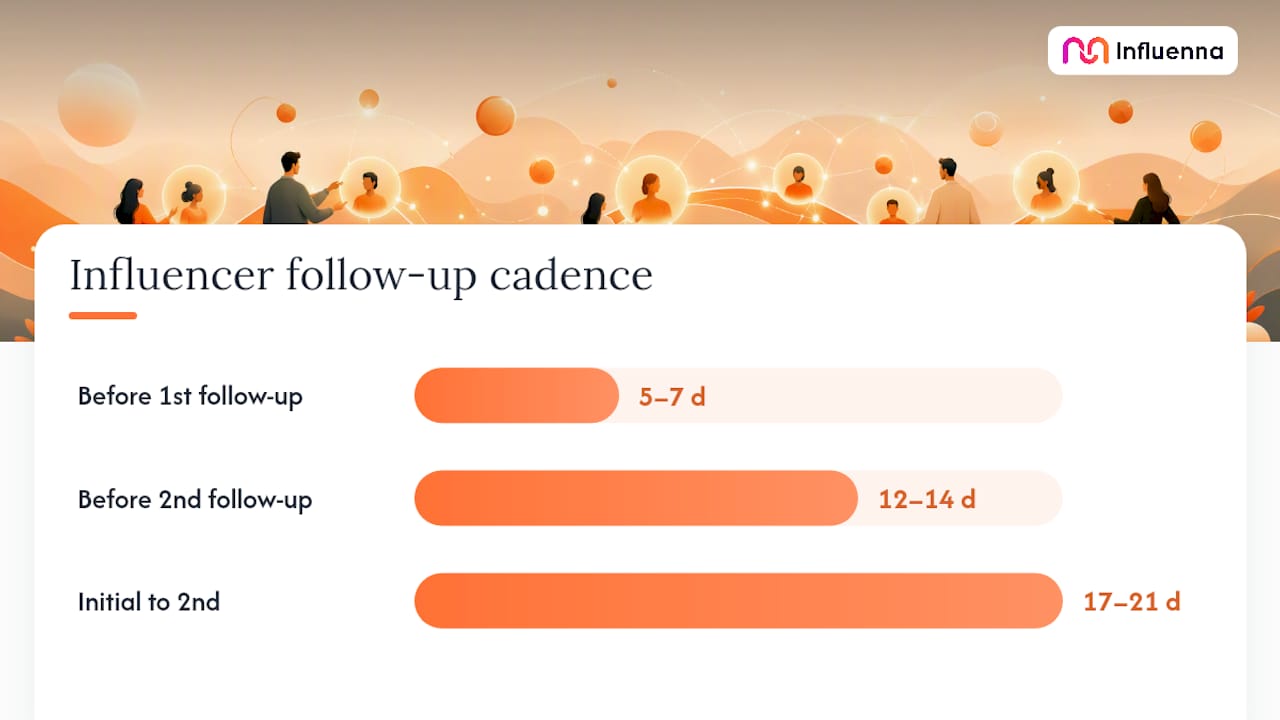
Wait 5 to 7 days after your first message before sending anything else. That window matches how creators actually work: most batch-process partnership emails once or twice a week between content shoots, editing, and their own posting schedule, so a message sent on day two just gets buried under a message sent on day six.
A second follow-up is sometimes worth sending, but only 12 to 14 days after the first, and only for creators who are a strong fit. Two total follow-ups is the ceiling most outreach guides recommend, and pushing past that starts to cost you more in reputation than it earns in replies. Brevo's outreach guidance puts the same 5 to 7 day window at the center of its recommended cadence, and for good reason: it's long enough to avoid looking impatient, short enough that the creator still remembers who you are.
Channel switching deserves a specific rule of its own. If you started on email, a second touch on Instagram DM or TikTok can work, but only if the creator is clearly active on that platform and you're not now messaging them in two places at once. Never run parallel follow-ups across channels simultaneously; pick one, wait for the response window to close, then try the other.
When neither follow-up lands a reply, close the loop instead of going quiet. A short break-up message tells the creator the offer is still open if their situation changes and, just as importantly, signals to anyone watching that your brand handles silence gracefully.
- First follow-up: 5–7 days after initial outreach, same channel
- Second follow-up (selective): 12–14 days after the first, strong-fit creators only
- Channel switch: after the second follow-up goes unanswered, not before
- Break-up message: closes the thread with no pressure attached
Pro Tip: Set your follow-up reminder the moment you send the first email, not when you remember to check. A five-minute calendar entry beats a mental note every time a campaign has more than a handful of creators in flight.
What Belongs in a Short, Effective Follow-Up?
Every strong follow-up follows the same four-part shape, and skipping any one of the four is usually why a message goes unanswered.
- Reference the original thread. One line that ties the new message to the old one ("Following up on my note from last week about...") so the creator doesn't have to scroll back to remember who you are.
- Recap the value in a single sentence. Not the whole pitch again, just the headline: what you're offering and why it fits their content.
- State one clear call to action. Ask a single yes/no question. Do not ask three things and hope one sticks.
- Give an easy out. A line like "no worries if the timing isn't right" costs you nothing and, according to practitioners who track this closely, tends to raise reply rates rather than lower them, because it removes the pressure that makes people avoid responding altogether.
The Serif guide to email follow-ups frames this as restate, add only if it materially helps, and close with one CTA, and that "materially helps" clause matters. Most brands pad follow-ups with reminders and extra context nobody asked for. Cut it.
Keep the whole message shorter than your original outreach, ideally under 80 words. Tone should read like a colleague circling back, not a salesperson chasing a quota; strike anything that sounds urgent or apologetic. Personalization slots that actually move the needle include a specific piece of recent content you watched, a number that matters to the creator (their audience size, a recent view count), and the compensation or deliverable structure stated in one clean phrase rather than a paragraph.
Two firm don'ts: never attach a media kit, brief, or contract to a follow-up, and never change the offer mid-thread. If your budget shifted since the first email, that's a new conversation, not a follow-up. inBeat Agency's template collection shows the same pattern across dozens of working examples: recap, one ask, easy out, nothing extra bolted on.
Follow-Up Templates You Can Copy and Send Today
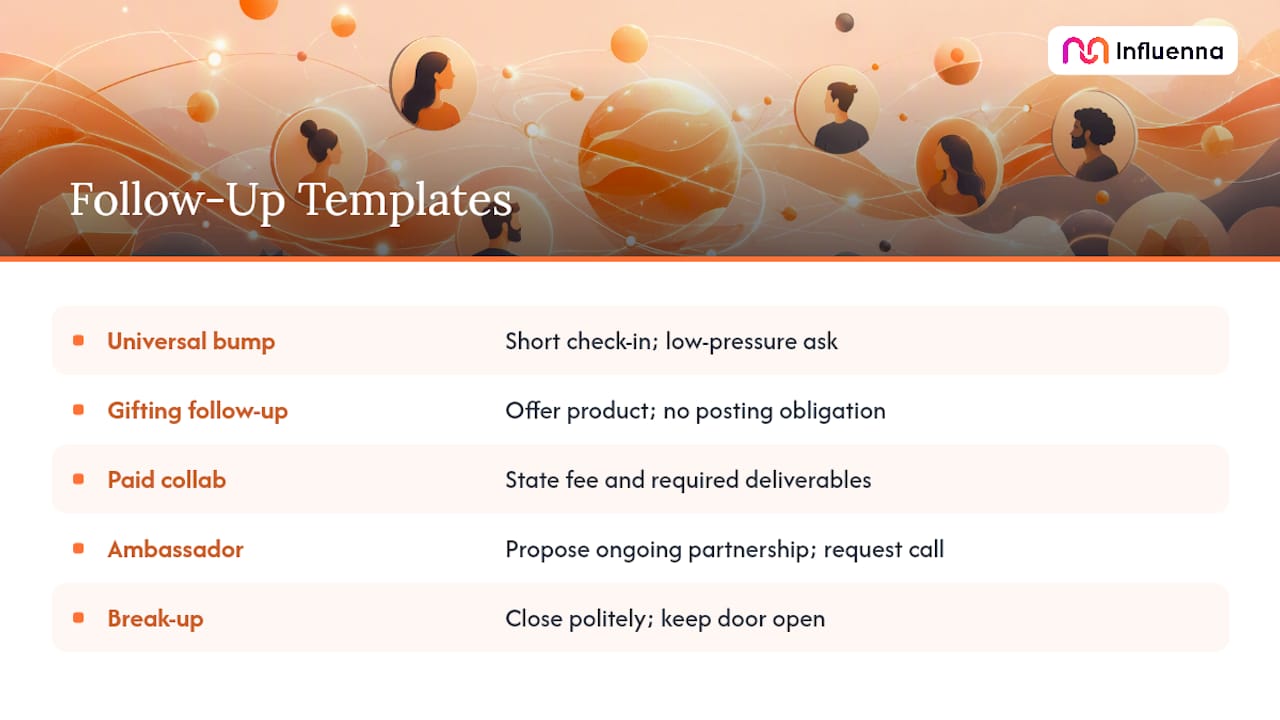
Templates work when you treat them as a shape to adapt, not a script to paste. Below are five that cover the situations most brand managers run into, with notes on what to change for each creator tier.
The universal short bump (works for almost any scenario):
Hi [Name], circling back on my note from last week about [brief description]. Would love to know if it's something you'd be interested in exploring, no worries if the timing isn't right.
Gifting follow-up:
Hi [Name], wanted to check back in on the [product] we mentioned last week. We think it'd be a natural fit for your [content type/audience], and we're happy to send it your way with zero obligation to post. Let us know either way.
Paid collaboration follow-up:
Hi [Name], following up on the paid partnership we outlined last week for [campaign/product]. Compensation is [$X flat fee / $X plus product], covering [1 Reel / 2 TikToks / etc.]. If you're open to it, just reply and we'll send full details. If it's not a fit right now, totally understand.
Ambassador or long-term partnership follow-up:
Hi [Name], wanted to reconnect on the ambassador idea from last week. Beyond this first project, we're looking at an ongoing partnership across [X months/campaigns] for the right creator, and your content style keeps coming up internally. Worth a quick call this week?
Break-up / closing template:
Hi [Name], haven't heard back so I'll assume the timing isn't right, which is completely fine. If anything changes on your end, our door's open, no pressure either way. Wishing you the best with your content.
Customize by tier. Nano and micro creators (roughly under 50,000 followers) respond better to a warmer, more personal tone and often reply faster to DMs than email. Macro creators and their agencies expect the compensation structure stated plainly and usually filter through assistants or managers, so the CTA needs to be a clean, single decision point rather than an open-ended question. For structured templates you can adapt line by line, Influenna's influencer outreach message templates walk through several of these scenarios in more depth, and its one-page brief template is worth keeping separate from your follow-up entirely, since a full brief has no place inside a bump message.
Pro Tip: Write your easy-out line before you write the ask. If the exit feels awkward to write, the whole message probably reads as pressure, not partnership.
Subject Lines and Tools That Keep Follow-Ups on Track
A follow-up subject line has one job: signal continuity without sounding automated. Three formulas cover most cases:
- Re: [original subject] — the simplest option, and it works because it's honest about being a follow-up rather than pretending to be new outreach.
- Quick question about [specific content/campaign] — useful when you want the follow-up to feel fresh rather than a repeat.
- [Creator's recent post/video] + your brand name — references something specific and current, which signals you're paying attention rather than mass-blasting a list.
Send timing matters more than most brands assume. Tuesday through Thursday mornings tend to outperform Monday scrambles and Friday afternoon inboxes, though the only way to know what works for your specific creator list is to test it against your own reply data rather than assume a universal rule holds.
Automation earns its place when it removes manual tracking, not when it removes the personal touch. Useful features include reply detection (so a follow-up never fires after someone's already responded), personalization tokens pulled from your CRM or spreadsheet, and cadence scheduling that spaces sends automatically. HubSpot's sales follow-up guidance makes the same point for outbound sales generally: automation should scale a personal message, not replace one with something generic. On tracking, be transparent about read receipts and link tracking where your outreach tool supports them, and never let a tracking pixel substitute for actually reading what a creator posts before you write to them again.
What to Measure Before You Change Anything
Track reply rate first. It's the cleanest signal of whether your follow-up is landing, and it's the number to watch before touching anything else. Reply-to-conversion rate (how many replies turn into an actual collaboration) matters just as much but takes longer to accumulate, since it depends on what happens after the reply, not the follow-up itself. Open and click rates are secondary. They tell you the subject line worked, not whether the message did.
A/B test one variable at a time: subject line phrasing on one week's batch, then send timing on the next, never both at once. Split small pilot groups rather than your whole list so a handful of unusually fast (or unusually cold) responses don't skew what looks like a pattern, a caution Saleshandy's testing guidance raises specifically because outreach lists are small enough that a few outliers can look like a trend. If a message underperforms on a shortlist of ten creators, that's noise more often than it's signal. Change your messaging when reply rates stay flat across a genuinely broad test; widen your creator shortlist instead when the messaging tests fine but the fit itself seems to be the problem. For turning reply data into something you report upward, Influenna's campaign reporting templates lay out a format built for exactly this kind of outreach tracking.
Why Fewer, Better-Targeted Requests Beat More Follow-Ups
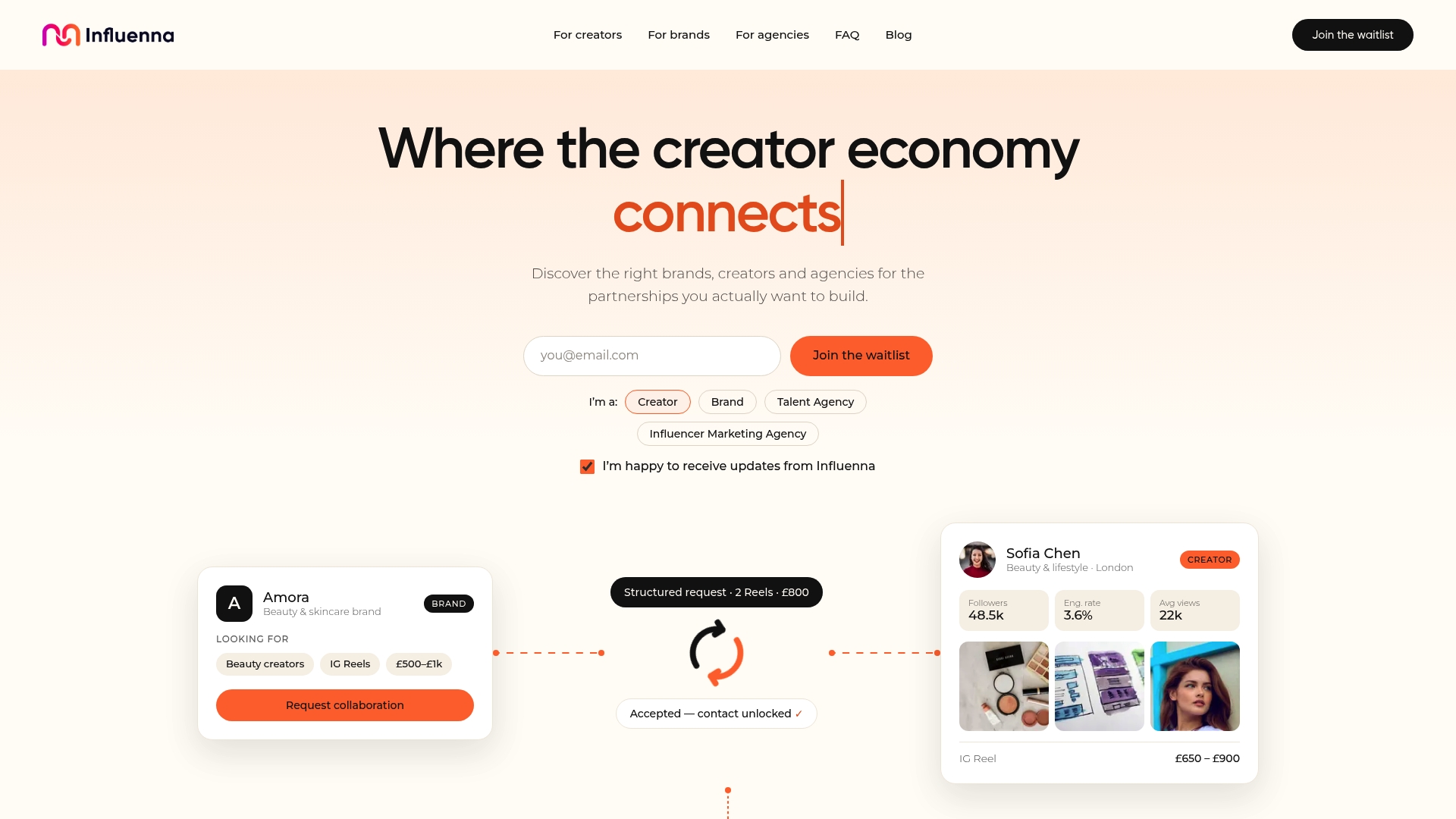
Most follow-up problems start upstream of the follow-up itself. When a brand's first message goes to a creator whose rates, audience, or content style were never actually confirmed, no amount of clever bumping fixes a mismatch. Influenna's structure addresses that earlier: collaboration requests carry preferences and rates the creator has already set, so the first message a creator sees is one that fits, not a guess dressed up as personalization.
That structure changes what a reply even means. Because contact details unlock only after both sides approve, a creator who engages with a request on Influenna has already signaled real interest before any conversation starts, which tends to produce warmer first replies than a cold inbox message ever does.
Before you send anything, run three checks: confirm the creator's stated rate or preference range matches your budget, confirm their recent content actually matches the campaign you're pitching, and confirm you have one clear ask rather than three vague options. Skip any of the three and you're setting up a thread that will need a follow-up before you've even sent it.
A Practitioner's Quick-Fire Checklist
The three mistakes I see most: follow-ups that run longer than the original pitch, brands that send three or four touches instead of stopping at two, and a tone that reads as needy rather than professional. All three come from the same instinct, treating silence as a problem to solve with more words, when it usually just means the offer wasn't a fit or the timing was wrong.
Before you hit send, check three things: is this shorter than my last message, does it include an easy out, and would I be comfortable if this creator forwarded it to a friend in the industry. Creator communities talk. A brand that follows up once, cleanly, and lets go gracefully builds a better reputation than one that chases every lead to the third or fourth touch.
— Igor
A Faster Way to Skip the Follow-Up Entirely
Influenna is a curated marketplace where creators, brands, talent agencies, and influencer marketing agencies find each other through structured collaboration requests instead of cold outreach. Every account gets reviewed by a person before joining, and creators set their own rates and preferences up front, so the request a brand sends already matches what that creator is looking for. Contact details only unlock after both sides say yes, which means the conversations that do start tend to open warmer and need fewer bumps to get to a real answer.
That structure is the direct fix for the follow-up problem this article walks through: fewer mismatched first messages means fewer threads that need a second or third touch to rescue. For teams juggling outreach across Instagram, TikTok, and YouTube creators at once, cutting the guesswork out of who to contact matters more than any subject-line formula. If you run outreach for a brand or manage a roster for an agency, join the Influenna waitlist to get access as the marketplace opens and start sending requests built on real preferences instead of another cold follow-up.
Sources
- Influencer outreach email template | Brevo blog
- 10 Influencer Outreach Email Templates That Actually Get an Answer | inBeat Agency
- 30+ Follow-Up Email Templates That Get Replies | Saleshandy
- How to follow up on an email: timing, tone, and 8 templates | Serif
FAQ
How Do I Politely Send a Follow-Up Email?
Reference your original message in one line, recap your ask in a single sentence, and close with an easy out like "no worries if the timing isn't right." Keep the whole message shorter than your first email.
What Emails Do Influencers Use for Business Inquiries?
Most creators list a business email in their social bio, often through a professional address rather than a personal one, and many manage it themselves until their following grows large enough to need a manager or agency handling inquiries.
What Is the 30/30/50 Rule for Cold Emails?
Definitions of this rule vary across outreach guides, and no single version is consistently used across influencer marketing resources, so treat any specific breakdown you see elsewhere with some caution rather than as a fixed standard.
What Is a Good Message to Send an Influencer for a Collaboration?
A good opening message states who you are, what you're offering (product, payment, or both), why their content specifically fits, and one clear next step. Platforms like Influenna simplify this by having creators publish their rates and preferences upfront, so the first message can match instead of guess.
How Many Times Should I Follow Up Before Giving Up?
Two follow-ups total is the practical ceiling: one at 5 to 7 days, and a second, more selective one at 12 to 14 days for strong-fit creators only. Close the thread with a brief break-up message if neither gets a response.