Avoid FTC Penalties: 7 Steps to Comply With FTC Influencer Guidelines
14 min read
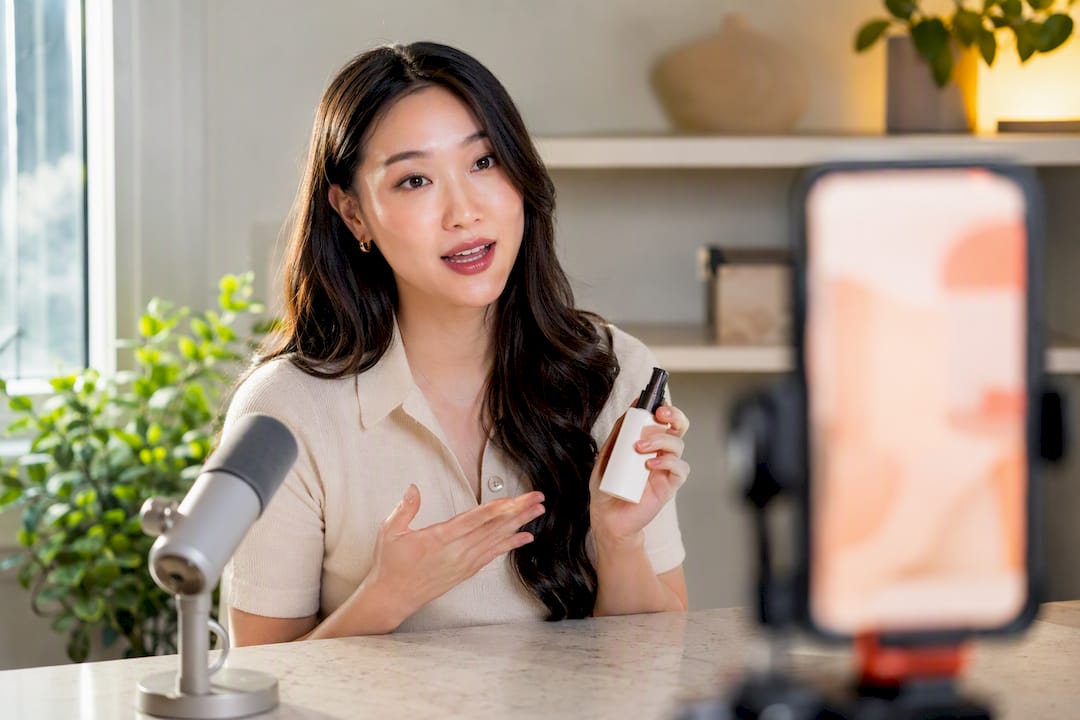
If you got paid, given free product, or received any other perk to talk about a brand, the FTC expects a disclosure that's impossible to miss, sitting in the same place your audience sees or hears the endorsement. Skip the fine print and the buried hashtag. Say "ad" or "sponsored" in plain English, right where the promotion happens, every time.
TL;DR:
- Disclosures must be made in plain language, placed where the audience cannot miss them, and match the format of the content, such as visual for images or audio for videos.
- Affiliate links and gifted products are considered material connections and require clear disclosures, not just platform tags or hashtags like #sp or #collab.
- The same disclosure rules apply to all creators regardless of follower count, including micro-influencers and virtual or AI-generated personas.
- Brands must specify exact wording and placement in contracts, monitor posts within 24 to 48 hours, and keep proof of compliance to avoid liability.
- Combining platform tags with on-screen or spoken disclosures ensures better compliance, especially for live streams and short-form videos.
Table of Contents
- What Are the FTC Influencer Guidelines on Material Connections?
- How Do You Disclose Clearly and Conspicuously?
- How Should You Disclose on Instagram, TikTok, and YouTube?
- What Do Compliant and Non-Compliant Disclosures Actually Look Like?
- What Are Brands' and Agencies' Compliance Responsibilities?
- What Triggers FTC Enforcement Against Influencers?
- Creator and Brand Compliance Checklist
- Why Upfront Disclosure Terms Protect Everyone
- How Influenna Keeps Sponsored Collaborations Clean From the Start
- Sources
- FAQ
What Are the FTC Influencer Guidelines on Material Connections?
The FTC's disclosure rule hinges on one question: does your audience know why you're talking about this product? If the answer isn't obvious, you're required to make it obvious. That's the entire test, and it's simpler than most creators assume.
The legal term is "material connection," and it covers more ground than a brand check. A material connection exists whenever something of value passed between you and the marketer, and that value could plausibly sway how your audience reads your recommendation. Cash payment is the easy case. But 16 CFR § 255.5 also captures free products, discounts, loaner gear you got to keep, event tickets, affiliate commissions, and even family or employment ties to the brand you're reviewing.
The FTC applies what it calls the ordinary consumer standard, sometimes described as the "significant minority" test. If a meaningful portion of your audience would view the endorsement differently knowing about the connection, disclosure is mandatory. You don't get to decide your followers are too savvy to need the reminder.
Some situations trip people up more than others:
- Unsolicited free samples. If a brand mails you something you didn't ask for and you post about it anyway, that's still a material connection. The obligation doesn't depend on whether you requested the item.
- Affiliate links. A commission on every click or sale is compensation, full stop. The FTC's own guidance treats affiliate marketing exactly like a paid partnership.
- Sponsored gifts inside giveaways. If a brand supplied the prize you're giving away to followers, say so in the giveaway post itself, not just in a separate sponsored post about the brand.
- Family and employment ties. Reviewing your spouse's business or your employer's product without saying so is a disclosure failure even though no invoice changed hands.
The FTC's Endorsement Guides put it directly: if a connection between an endorser and a marketer isn't something the audience would reasonably expect, and it could affect how credible the endorsement seems, it has to be disclosed clearly and conspicuously. That standard doesn't shrink for micro-influencers or grow for celebrities. It applies at every follower count.
How Do You Disclose Clearly and Conspicuously?
"Clear and conspicuous" is a specific legal phrase, not a vibe. It means the disclosure has to match the format of the endorsement itself. Visual content needs a visual disclosure. Audio or video content needs one you can hear. Content with both needs both.
Placement matters more than wording. A disclosure buried at the bottom of a caption, after a wall of hashtags, doesn't count as conspicuous even if the word "ad" technically appears somewhere in the post. The FTC has said plainly that platform disclosure tools, like Instagram's paid partnership label, may not be enough on their own, and recommends creators add their own disclosure on top of any platform tag, since platform tools can fail, get stripped by reposts, or go unnoticed.
Wording that generally works:
- "Ad" or "Advertisement" stated plainly, not abbreviated to "sp" or "collab" or hidden mid-hashtag string.
- "Sponsored by [Brand]."
- "Thanks to [Brand] for the free product" when you received goods rather than cash.
- "#ad" placed at the start of a caption, not buried after ten unrelated tags.
Wording and placement to avoid: disclosures dropped only in an "About" page or bio, hashtags like "#sp" or "#collab" that most viewers won't decode, disclosures that flash for a fraction of a second in a Story, or text so small it disappears against the background image.
Audience matters too. The Federal Register's final 2023 Guides note that when content targets a specific demographic, the ordinary consumer standard gets interpreted through that group's lens. A disclosure that reads fine to a 25 year old might not register with an audience of retirees, so size, phrasing, and repetition should fit who's actually watching.
Pro Tip: Use the platform's paid partnership tag AND add your own on-screen text or spoken line. Redundancy here isn't overkill, it's the difference between a defensible post and a deleted one.
The safest approach layers three things: plain language, a location your audience can't scroll past, and format that matches the content. Get all three right and you've satisfied the Disclosures 101 guidance the FTC built specifically for creators.
How Should You Disclose on Instagram, TikTok, and YouTube?
Every platform has quirks that change how a disclosure needs to look. Here's how the general rule translates into specific action on the formats creators actually use:
- Instagram feed and Reels. Place "#ad" or "Paid partnership with [Brand]" at the top of the caption, and add a readable on-screen text overlay in Reels for viewers who watch on mute.
- Instagram Stories. Superimpose disclosure text directly on the frame and hold it for the full duration of that Story slide. A disclosure that flashes and vanishes doesn't meet the clear-and-conspicuous bar for ephemeral content.
- TikTok. Say the disclosure out loud near the start of the clip and pair it with on-screen text, since TikTok's short runtime leaves no room to bury it three-quarters through.
- YouTube long-form video. Put a disclosure on-screen at the point the promotion starts, and repeat it in the video description. For short clips or Shorts, the description alone isn't sufficient because many viewers never open it.
- Live streams. Repeat the disclosure at intervals throughout the broadcast, not just at the opening, since viewers join mid-stream and miss anything said only once.
Combining an audible cue with visual text covers viewers who watch without sound and those relying on captions, which closes a gap either method leaves open alone. Accessibility should factor into this too. If a meaningful share of your audience uses closed captioning or speaks a different primary language, your disclosure needs captioning or translation to actually reach them, not just technically exist somewhere in the content.
A livestreaming production guide is worth a look if you run frequent live broadcasts, since stream layout and overlay placement affect whether a repeated disclosure stays legible throughout a session.
What Do Compliant and Non-Compliant Disclosures Actually Look Like?
Seeing the difference side by side makes the rule concrete in a way legal text rarely does.
- Gifted product post. Compliant: an on-screen overlay reading "Gifted by [Brand]" plus the same phrase leading the caption. Non-compliant: "#sp" dropped as the ninth hashtag in a block of thirty.
- Paid Reel. Compliant: a spoken "This video is sponsored by [Brand]" in the first five seconds, paired with persistent on-screen text for the whole clip. Non-compliant: disclosure mentioned once in a caption nobody reads because the video autoplays on mute.
- Affiliate link in a blog post. Compliant: a visible line near the link itself stating "This is an affiliate link, meaning I earn a commission if you purchase." Non-compliant: a general disclosure buried only in the site footer, three scrolls away from where the link appears.
- Multi-creator brand campaigns. Compliant: every creator uses matching disclosure language because the brand brief specified exact wording and placement. Non-compliant: five creators each interpret "please disclose" differently, and two forget entirely.
That last scenario is where campaigns fall apart most often. One creator's compliant post doesn't protect the other four if the brand never standardized the requirement.
What Are Brands' and Agencies' Compliance Responsibilities?
Advertisers carry real exposure here, not just the creators posting on their behalf. The FTC has stated that undisclosed paid endorsements count as deceptive advertising, and that both the endorser and the advertiser can be held liable. The FTC expects brands to actively monitor the creators they compensate, not just hand off content and hope for the best.
That responsibility starts in the contract. Briefs should specify exact disclosure wording, required placement, and platform-specific formatting rather than a vague "please disclose as required." A well-built influencer contract spells this out before anyone films a single clip.
Monitoring shouldn't be a one-time check either:
- Spot-check live posts within 24 to 48 hours of publication, while a fix is still easy.
- Require creators to send screenshots or links as proof before final payment releases.
- Keep a takedown-and-replace clause ready for posts that go live without proper disclosure.
- Document every compliance check with a timestamp for your own audit trail.
Pro Tip: Build disclosure wording directly into your campaign brief template rather than a separate compliance memo. Creators follow instructions that live where they're already reading, not documents buried in a shared drive they never open.
Low-cost monitoring doesn't require expensive software. A shared spreadsheet with columns for post date, screenshot link, and disclosure status covers most campaigns fine, especially when paired with a campaign reporting template that tracks deliverables alongside compliance status.
What Triggers FTC Enforcement Against Influencers?
FTC enforcement centers on deceptive endorsements: undisclosed material connections, fake reviews, and inflated follower or engagement numbers used to mislead advertisers or consumers. The agency has repeatedly stated that both the creator and the brand paying them can face liability when disclosures go missing.
Three mistakes show up again and again in enforcement patterns:
- Invisible disclosures. Text too small to read, colors that blend into the background, or overlays that vanish in under a second.
- Vague shorthand. "Collab," "partner," or "sp" without a clear word like "ad" or "sponsored" attached.
- No repetition in live or ephemeral content. A single disclosure at the top of a two-hour stream doesn't reach viewers who tuned in an hour later.
The final 2023 Guides also expanded the definition of "endorser" to explicitly include virtual and fabricated personas, closing a loophole some brands had used with AI-generated spokes-characters. If you're working with virtual influencers or AI avatars, the same disclosure rules apply without exception.
Creator and Brand Compliance Checklist
Run through this before any sponsored post goes live, and again during a periodic audit of older content.
- Confirm the disclosure sits in the same format as the endorsement (visual for visual, audible for audio/video).
- Check that wording says "ad" or "sponsored" in plain language, not abbreviated slang.
- Verify the disclosure is visible or audible for the full duration of Stories, Reels, or livestream segments.
- Repeat the disclosure at intervals for any live or long-form content.
- Match platform tags (paid partnership labels) with your own on-screen or spoken disclosure as backup.
- For brands: confirm the brief specified exact wording and placement, not general instructions.
- For brands: log a screenshot or link as proof of disclosure before releasing final payment.
| Checklist item | Who owns it | What "done" looks like |
|---|---|---|
| Disclosure wording specified | Brand/agency | Exact phrase written into the brief, not left to creator discretion |
| Placement verified pre-publish | Creator | Screenshot confirms overlay or caption position before posting |
| Repetition for live content | Creator | Disclosure repeated at intervals throughout the stream |
| Proof documented | Brand/agency | Screenshot or link filed with timestamp before payment |
A short template creators can copy directly into a caption: "Ad: Thanks to [Brand] for sending this [product] to try." For video, the spoken equivalent: "Quick note, this video is sponsored by [Brand]."
Why Upfront Disclosure Terms Protect Everyone
Most disclosure failures aren't willful deception. They're the result of a brand and creator never agreeing on wording or placement before the post went live. That gap is exactly what a structured collaboration process should close before content gets made, not after it's flagged.
Influenna builds this into how requests work between brands and creators. A structured collaboration request lays out deliverables and expectations upfront, which gives both sides a natural place to specify disclosure wording and placement before anyone films anything. Clear terms at the start remove the ambiguity that leads to a buried hashtag or a disclosure that only lasts half a second on screen.
If you're a brand or creator who wants deliverables agreed to before content goes live rather than negotiated after a compliance problem shows up, put disclosure language in writing every time. It costs one extra sentence in a brief and saves a takedown later.
— Igor
How Influenna Keeps Sponsored Collaborations Clean From the Start
Influenna is the alternative to chasing disclosure terms after a post already went live. Because every collaboration request on the platform is structured, deliverables and disclosure wording get agreed to before contact details are even exchanged, not negotiated in a panic after a brand flags a caption.
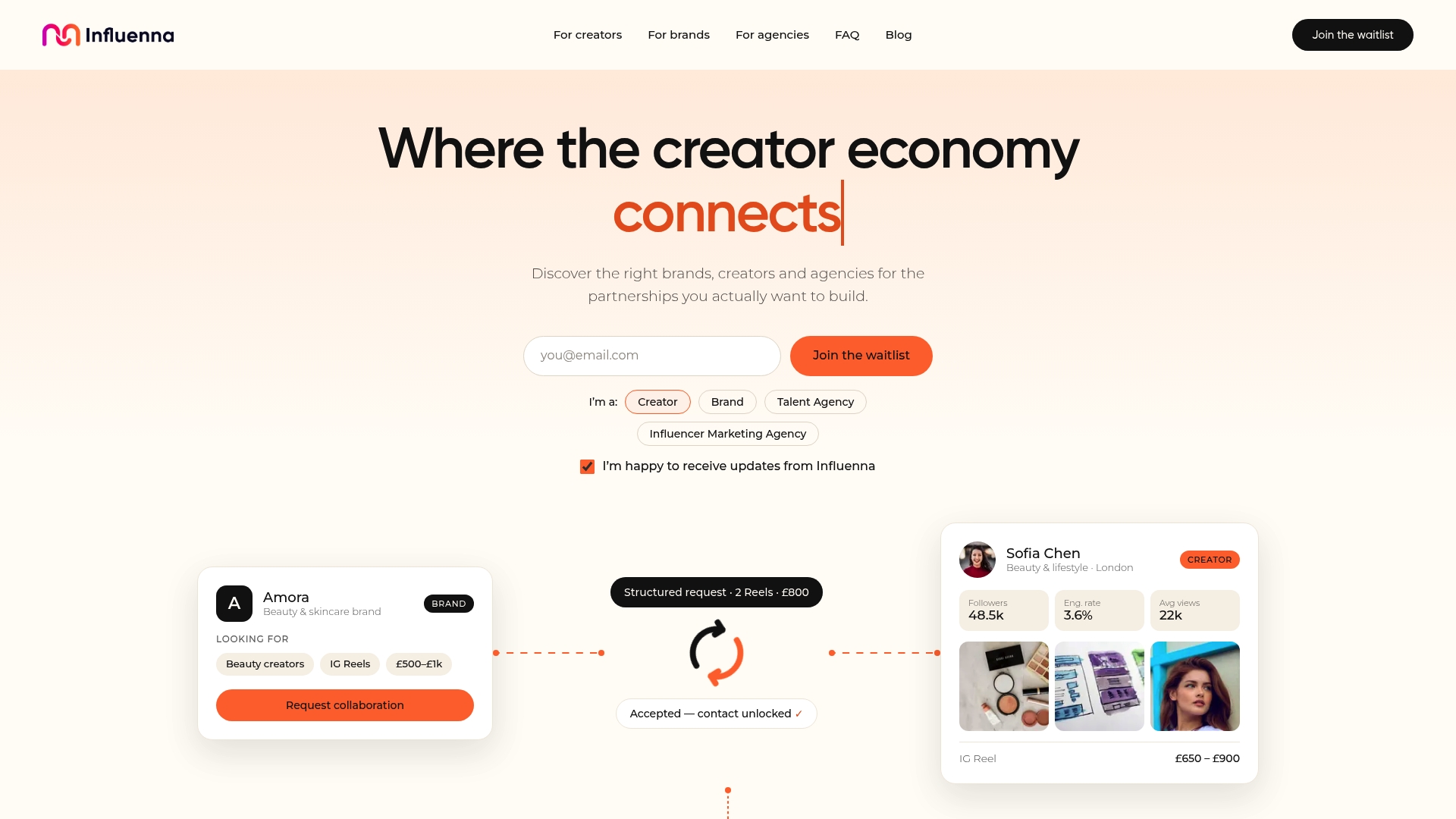
That structure matters most for brands juggling multiple creators on one campaign, where inconsistent disclosure wording is the single most common compliance gap. A shared brief format, paired with a copy-paste brief template, gives every creator on a campaign the exact same wording to work from instead of five different interpretations of "please disclose."
Influenna is currently pre-launch, with a public waitlist open now. If you're a creator, brand, or agency who wants your next collaboration to start with clear terms instead of a compliance scramble, join the Influenna waitlist to get access when the marketplace opens.
Sources
- Endorsements, Influencers, and Reviews
- Guides Concerning the Use of Endorsements and Testimonials in Advertising (Federal Register)
- 16 CFR § 255.5 - Disclosure of material connections
FAQ
What Are the FTC Guidelines for Instagram Influencers?
Instagram creators must disclose paid partnerships, gifted products, or affiliate relationships using plain language like "ad" placed at the top of the caption, paired with an on-screen overlay in Reels and Stories, since platform tags alone may not be sufficient.
What Are the Legal Requirements for Influencers Under FTC Rules?
Under 16 CFR § 255.5, any material connection to a brand, meaning payment, free products, or other value, must be disclosed clearly and conspicuously wherever the endorsement appears.
What Are the General Guidelines for Influencer Marketing Compliance?
Disclosures must match the format of the content (visual, audible, or both), use plain wording instead of vague shorthand, and appear where the audience can't miss them, per the FTC's Endorsement Guides.
What Are the FTC Guidelines for Affiliate Marketing Disclosures?
Affiliate links require the same disclosure as any paid partnership. Creators must state that a purchase through the link earns them a commission, placed visibly near the link itself rather than buried in a general site disclaimer.
Does a Platform's Paid Partnership Tag Meet FTC Disclosure Requirements Alone?
Not necessarily. The FTC recommends creators add their own on-screen or spoken disclosure in addition to any platform tag, since tags can be stripped, missed, or fail to display consistently.